
Air cargo in a bonded facility: from manifest to piece
A freighter arrives with hundreds of pieces spread across ULDs, master and house air waybills. If the facility does not have that tree in the system before the hold opens, breakdown is done against paper.
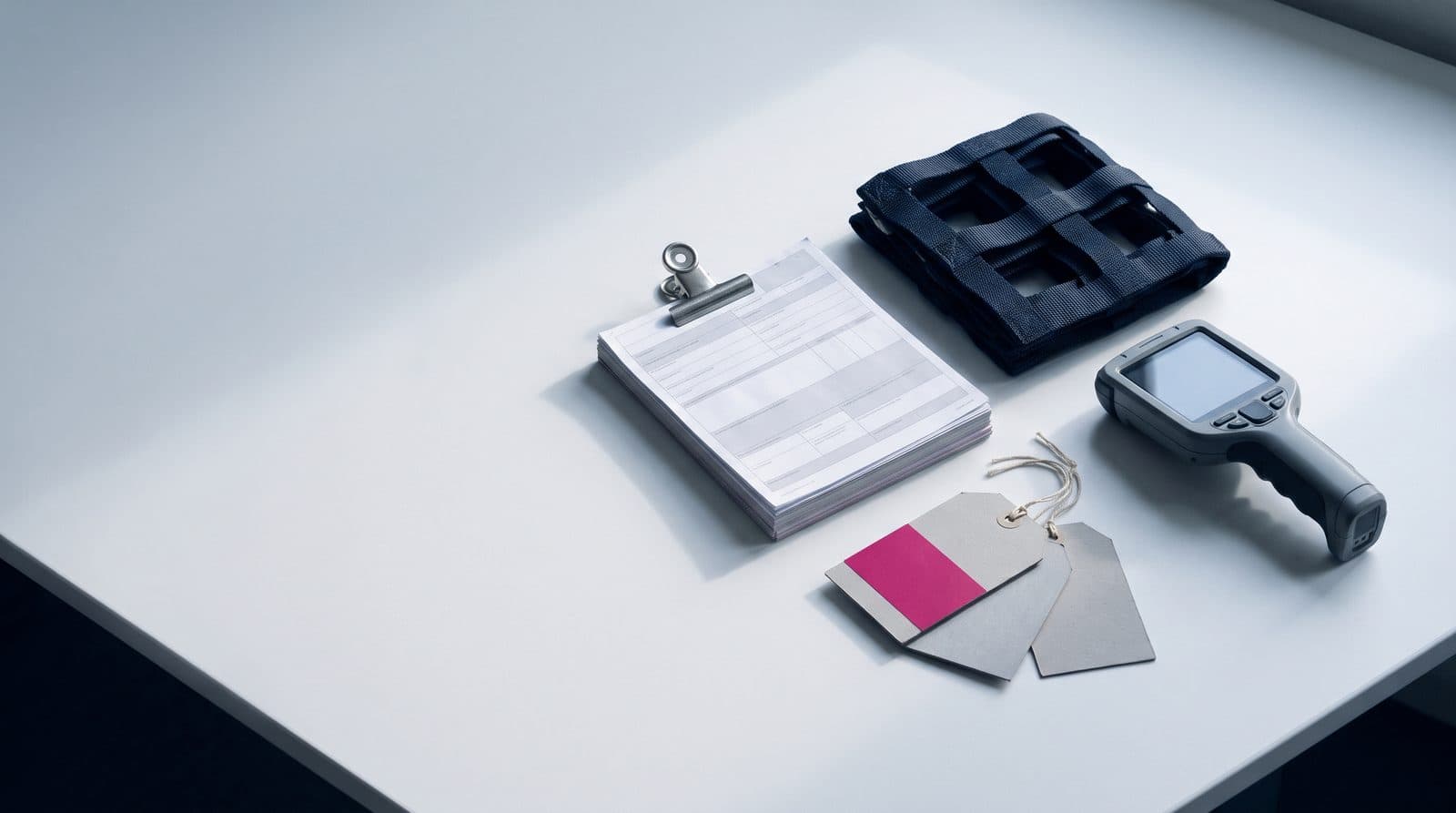
When a freighter lands, the bonded facility receives a structure. The flight carries several ULDs (air pallets and containers), each ULD holds one or more master air waybills, each master groups house air waybills, and each house waybill covers one or more pieces. That structure is described in the flight manifest (the IATA FFM message), the pre-alert and the documents that travel with it.
In many facilities that tree arrives by email and stays there. It is printed, re-keyed, and breakdown is done against paper. That is where shortages nobody saw, overages nobody claims and pieces filed under the wrong waybill come from.
The full tree before anything hits the floor
The system has to know the flight before the hold opens. Geodot reads the flight manifest and the pre-alert that arrive by email and rebuilds every ULD with its waybills and pieces, with no manual entry.
With that plan loaded, breakdown is a verification against what is expected.
- Receipt. The IATA manifest (FFM), the pre-alert and the flight documents come in by email. The result is the full tree: flight, ULD, master AWB, house AWB, piece.
- Breakdown. Every piece is scanned against its ULD and its waybill. Shortages, overages and crossed pieces show up at the moment of the scan.
- Dispatch with evidence. Every scan records waybill, time, user and device. A dispatch closes only when everything has been scanned.
No piece leaves unless the paperwork matches
Inside the facility, air cargo is under customs control and the risk moves from the ramp to the exit. Three controls cover it.
- Reconciliation. Each piece's waybill is checked against the flight manifest, and piece and weight differences are flagged.
- Storage. Inventory by location, broker inspections, dangerous goods and refrigerated zones, with alerts before cargo becomes abandoned or a permit expires.
- Release. The customs entry is checked against the waybill and the scans: waybill number, pieces and weight. If anything is off, the piece stays.
Geodot flags the discrepancy before release. The facility decides the release and customs decides clearance. Nobody has to find the problem by going through folders.
Documents linked to every move
Every scan is linked to the document the data comes from: master and house air waybill (MAWB / HAWB), flight manifest, pre-alert, commercial invoice, customs entry, permits and certificates. When a customs or AEO review comes, the file is already built in the Document Manager, with the full history in iWMS.
Access is by role. The facility, the customs broker and the cargo owner each see what concerns them, and the customer checks status, documents and evidence from a portal.
In operation at AIFA
At Felipe Ángeles International Airport, Grupo Camili runs its 7,000 m² bonded warehouse on iWMS and Zero Label, with dangerous goods, refrigerated and general cargo zones. In an air cargo handler's release trial at the same airport, 100% of pieces were scanned and logged with evidence, every scan with waybill, time, user and device.
Where to start
You do not need to replace everything on day one. The usual start is breakdown against the manifest or with release against the customs entry. From there they add storage, documents and the customer portal.
The bonded warehouses page describes each module. In the demo we work with one of your flights as the example. Request a demo.